RoboPhysics LaboratoryPolitecnico di Bari
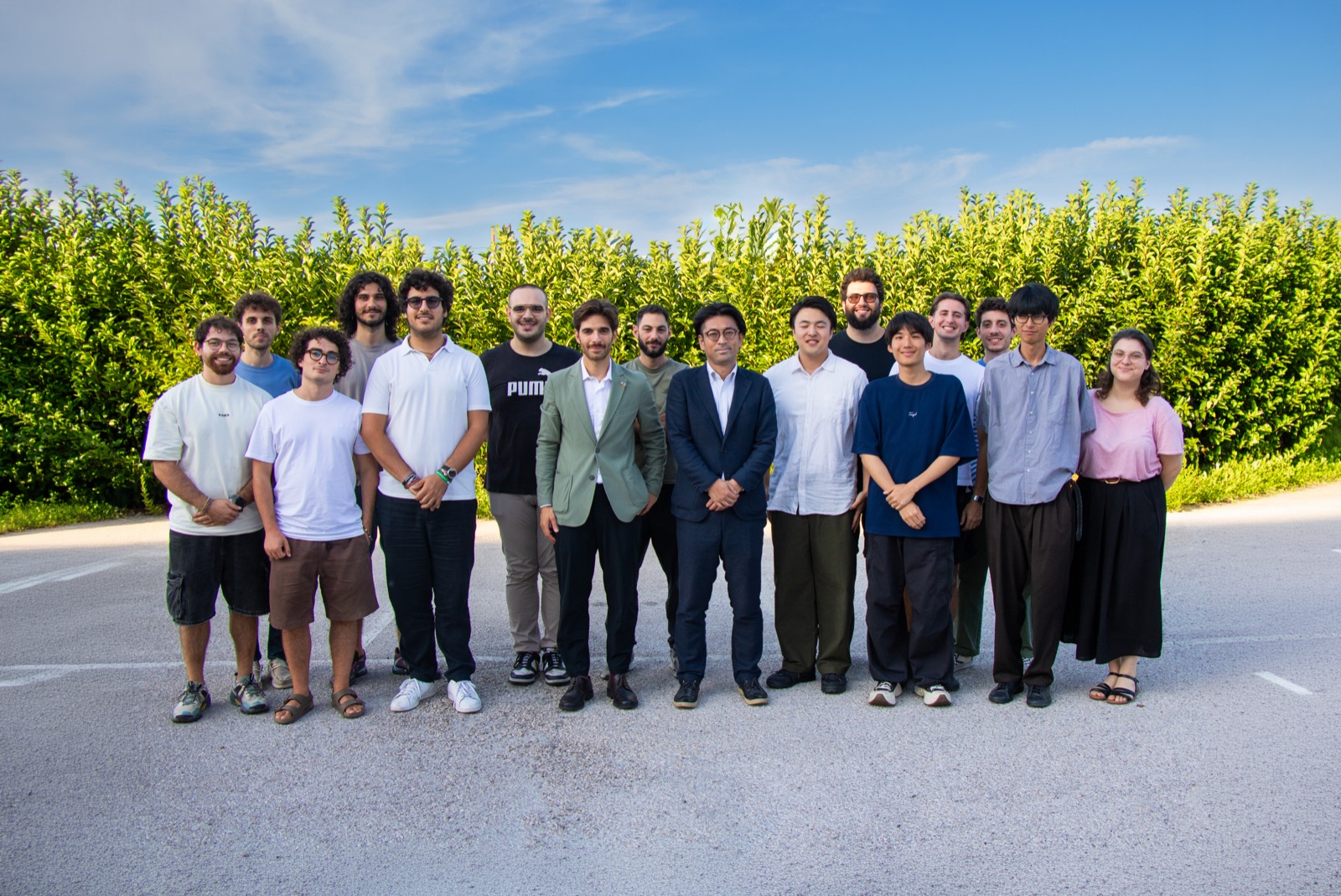
The RoboPhysics Laboratory team on a dry-stone wall at sunset

“We use robots to hack
the laws of physics”

Latest news

Interviews, projects and awards from the lab

All news
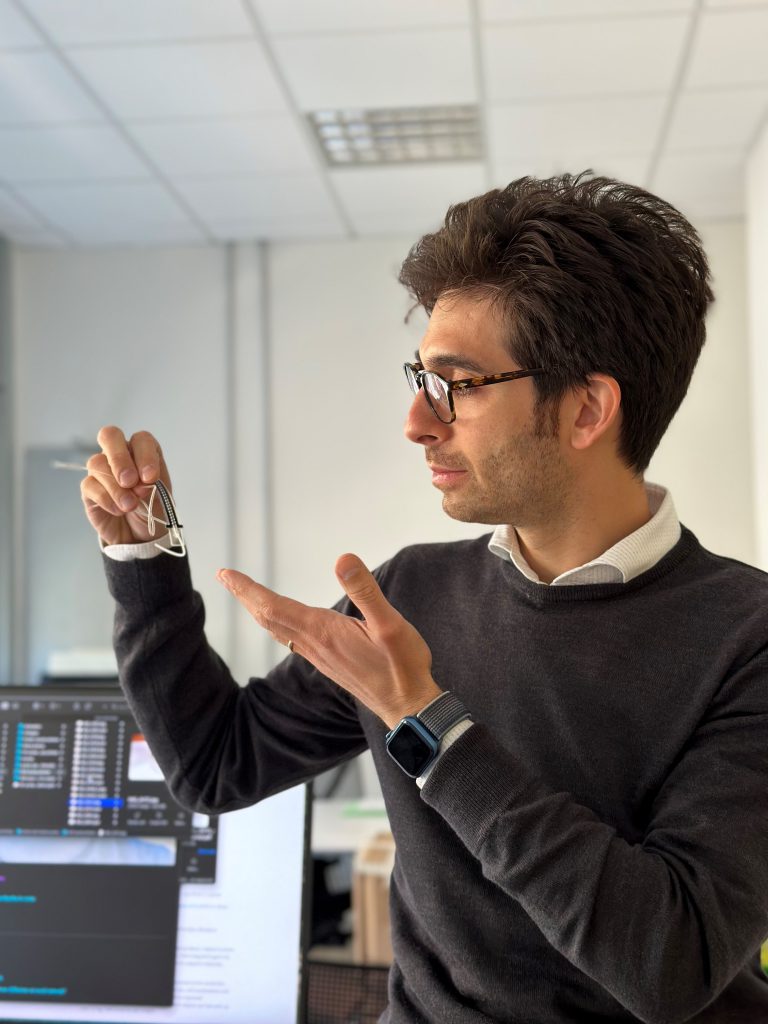
fiber muscle in hand
April 2026 · Publications

Electrofluidic fiber muscles in Science Robotics

With the MIT Media Lab we present a new class of fiber-format artificial muscles: electric, silent and free of external pumps, with power density comparable to skeletal muscle.

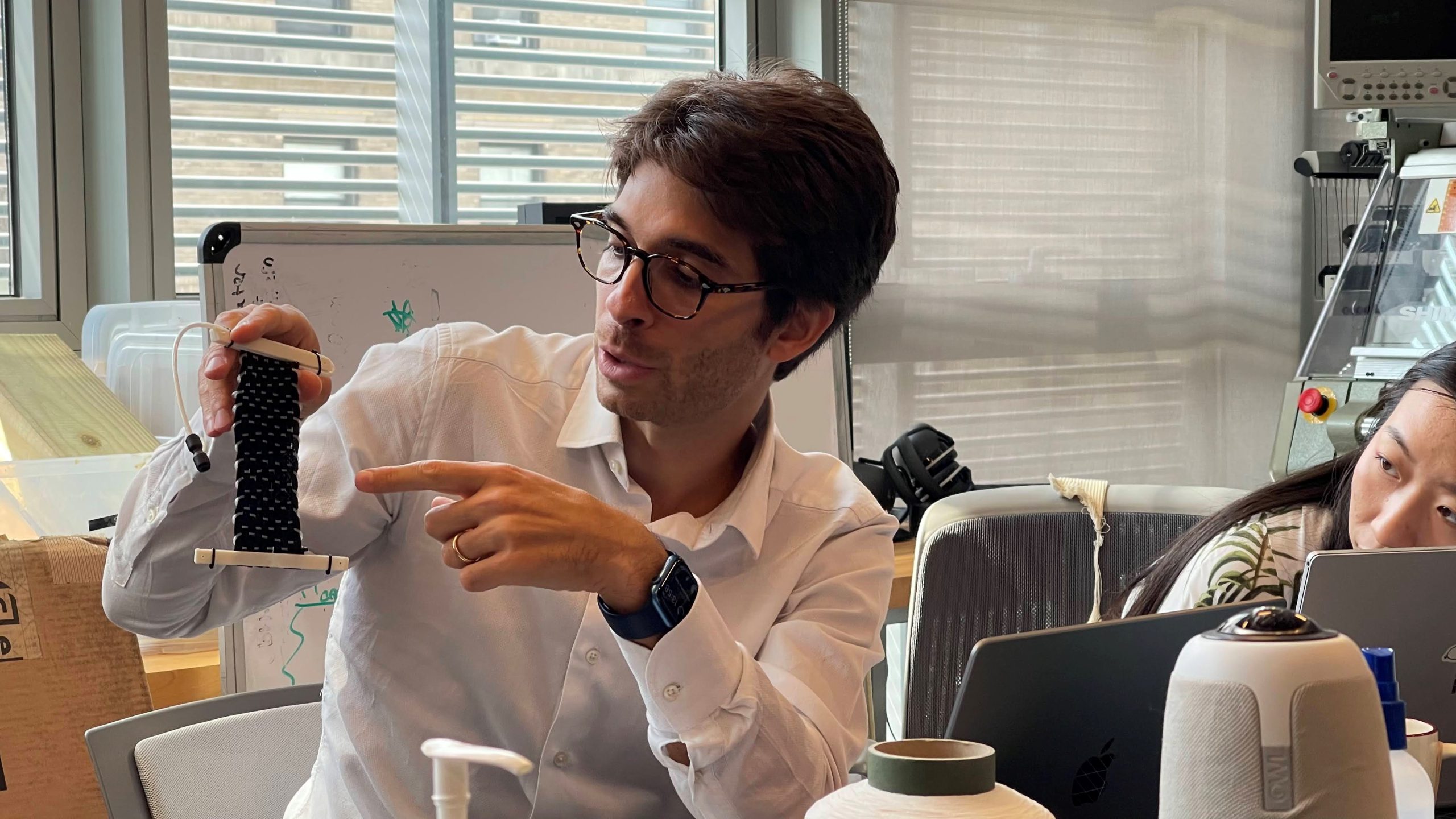
Prof. Cacucciolo in the lab
September 2023 · Funding

ERC Starting Grant for the RoboFluid project

The European Research Council funds €1.5 million of research on soft and wearable robotics driven by electro-active fluids: thermoregulating garments, haptic gloves and low-cost robotic hands.

We study physical intelligence to build soft robots, artificial muscles and wearable devices designed to work alongside people.

At the RoboPhysics Laboratory we investigate how matter can move, adapt and respond without the rigid, bulky motors of conventional robotics. We combine mechanics, fluidics and soft materials to give machines the same fluidity as living bodies.

Led by Prof. Vito Cacucciolo and supported by an ERC Starting Grant, our research has delivered some of the field's landmark results: the world's first stretchable pumps for fluidic muscles (Nature, 2019), two-millimetre fiber pumps for textile exosuits and haptic feedback (Science, 2023), and electrofluidic muscles developed with the MIT Media Lab (Science Robotics, 2026).

From soft robotics to rehabilitation medicine, we turn the principles of physics into technologies that ease human effort and extend the capabilities of the body — from Bari, out to the world.

Explore the research

An untethered woven muscle pair contracting and extending in a loop

Artificial muscles in fiber form: silent, electric, with no external pumps. Like biological muscle, they weave together to adapt to any task.

Electrofluidic Fiber Muscles — Science Robotics, 2026

Wide range of motion and back‑stretchability

A pair of woven muscles in an antagonistic configuration: when one fiber contracts, the other extends — like the biceps and triceps in the human arm. Each muscle integrates two electrohydrodynamic fiber pumps braided with ten McKibben actuators in a closed fluidic circuit, with no external compressors or tubes.

side view1x speed10 cm
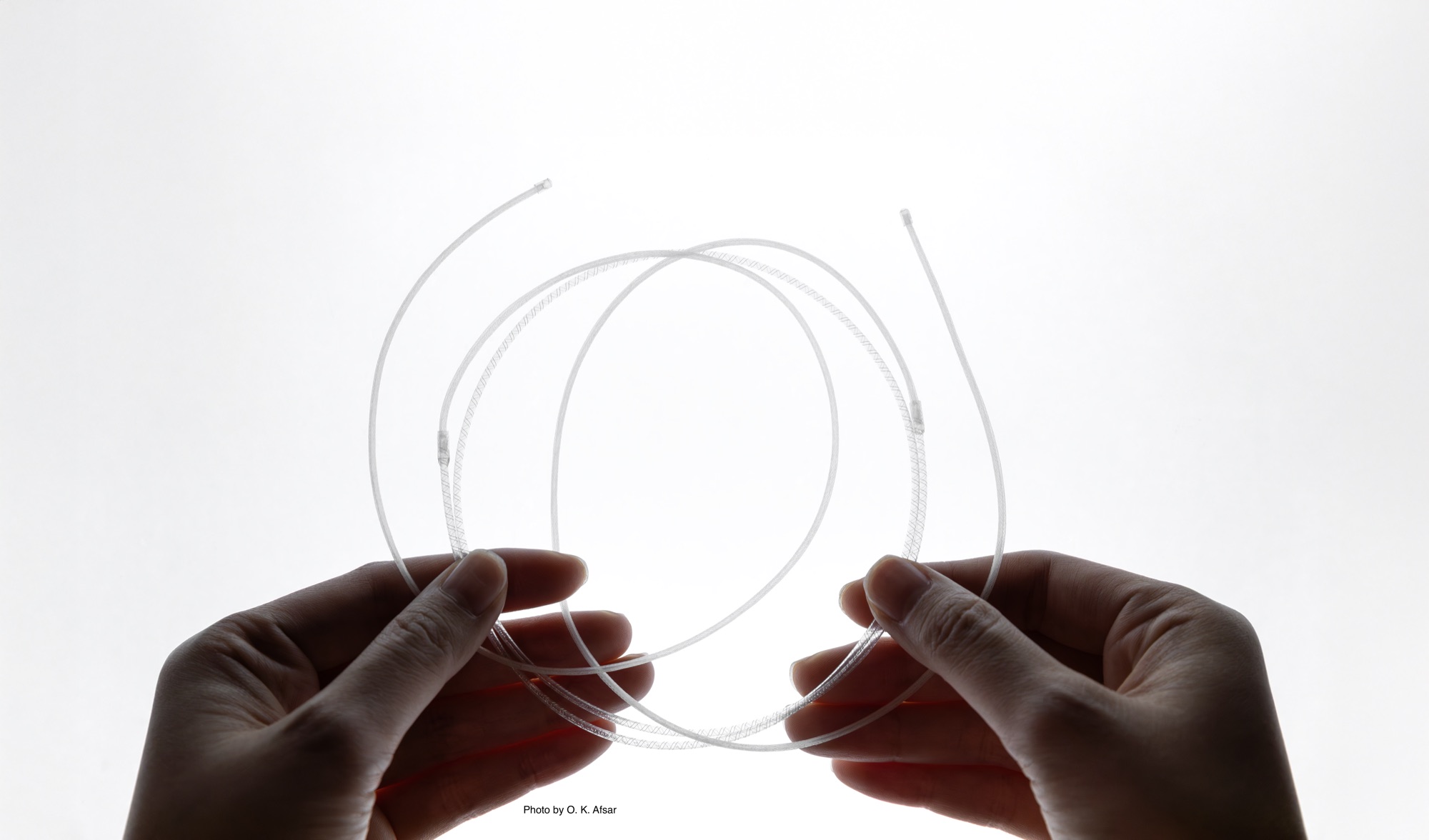
Two hands holding an electrofluidic fiber muscle: a translucent fiber a couple of millimetres thick, coiled into loops against a white background

Fibers no thicker than a toothpick, weighing a few grams, woven directly into textiles.

Fiber pumps generate pressure and flow by injecting charge into a dielectric fluid, with no moving parts: the system is silent, lightweight and scalable. At under 2 mm in diameter they produce up to 900 kPa/m, opening the way to textile exosuits, haptic gloves and devices that restore or augment the dexterity of the hand.

Latest publication

Electrofluidic fiber muscles — developed with the MIT Media Lab

Published in Science Robotics, the work is authored by O. Kilic Afsar, G. Pupillo, G. Vitucci, W. Babatain, H. Ishii, V. Cacucciolo, with the support of the European Research Council. A new class of fiber-format artificial muscles integrating charge-injection fiber pumps and McKibben actuators in a closed circuit — electric, silent and untethered, with a power density comparable to skeletal muscle.

See all publications